1. The Genesis of a Modern Concrete Solution
(Water Reducer)
Concrete is one of the most eaten synthetic product on Earth, 2nd just to water in global use. Yet for all its ubiquity, the basic chemistry of concrete has actually stayed remarkably regular for over a century, until current decades brought a silent change in the form of innovative chemical admixtures. Among these, the water reducer stands as maybe the most transformative innovation, essentially modifying just how concrete is mixed, positioned, and healed throughout the globe’s construction websites. The journey of this innovation from research laboratory curiosity to vital construction product is a story of clinical persistence, market development, and the unrelenting quest of structural excellence.
The modern-day water reducer market has actually grown into a multi-billion-dollar sector, with international concrete water reducers and plasticizers market projected to reach an estimated $20.07 billion in 2025, climbing up at a durable substance yearly growth price of 8.6 percent via 2033. This amazing development reflects not merely the growth of worldwide building and construction task however a basic change in just how the market comes close to concrete performance, toughness, and sustainability. The water reducer, particularly in its innovative polycarboxylate forms, has become the foundation of modern high-performance concrete, allowing frameworks that were formerly difficult and extending the service life of framework globally.
Recognizing the water reducer needs valuing its crucial feature: it allows concrete to keep workability while dramatically lowering the water content needed for mixing. This reduction in water, generally by 25 to 45 percent in high-performance formulations, considerably enhances concrete toughness, sturdiness, and resistance to ecological degradation. The innovation has actually developed through three unique generations, from the very early lignosulfonate-based reducers through the naphthalene and melamine sulfonate formulas of the 2nd generation, to the present supremacy of polycarboxylate ether-based superplasticizers that represent the 3rd and most advanced generation.
2. The Rise of Polycarboxylate Technology
(Water Reducer)
The polycarboxylate-based water reducer stands for a standard shift in concrete chemistry. Unlike its predecessors, which rely upon fairly easy electrostatic repulsion systems to disperse cement bits, the polycarboxylate molecule uses a comb-like structure with a foundation that adsorbs onto cement particles and side chains that create steric hindrance, a physical obstacle that stops bit cluster much more effectively than charge-based repulsion alone. This molecular architecture, established through decades of polymer chemistry study, enables superior dispersion with substantially lower dose prices, making polycarboxylate water reducers both even more effective and a lot more cost-effective over the life of a concrete task.
The market has reacted enthusiastically to these benefits. The global polycarboxylate ether market is projected to broaden from USD 7.51 billion in 2025 to USD 9.03 billion by 2031. Within this more comprehensive category, the powder type of polycarboxylic acid water lowering representative has actually become an especially vibrant segment, with the worldwide powder polycarboxylate water reducer market getting to approximately 795 million USD in 2025 and predicted to expand to 852 million USD in 2026, getting to 1.274 billion USD by 2032 at a compound annual growth rate of 6.9 percent. Different forecasts suggest even more powerful growth, with the solid polycarboxylate water reducer market estimated at 957 million USD in 2025 and anticipated to get to 1.569 billion USD by 2032, representing a CAGR of 7.3 percent.
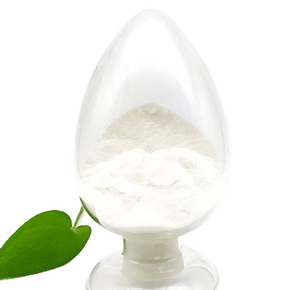
This growth trajectory reflects the powder type’s unique advantages over liquid alternatives. Powdered polycarboxylate water reducers provide premium storage space security, lowered transportation prices, and greater flexibility in application, particularly in areas where fluid taking care of infrastructure is restricted. The powder style likewise makes it possible for specific application in automated batching systems and eliminates the need for specialized tank and pumping tools, making it particularly appealing for large framework jobs and ready-mix procedures in developing markets.
3. The Evolution of Water Reducer Chemistry
(Water Reducer)
The technological journey of the water reducer has been noted by continual advancement in molecular style and synthesis. This phase takes a look at the three significant generations that have actually specified the market, each building upon the lessons of its predecessor.
3.1 Initial Generation: Lignosulfonates and Very Early Solutions
Early generations of water reducers, primarily lignosulfonates and sulfonated naphthalene formaldehyde condensates, achieved water reduction rates of 10 to 20 percent however struggled with significant limitations consisting of poor retention of workability over time, conflict with certain concrete types, and environmental problems related to their manufacturing procedures. These first-generation items, while revolutionary in their time, can not fulfill the needs of modern building where skyscrapers, long-span bridges, and complex infrastructure jobs require precise control over concrete residential or commercial properties across expanded placement home windows.
3.2 2nd Generation: Sulfonated Melamine and Naphthalene
The 2nd generation, featuring sulfonated melamine formaldehyde and enhanced naphthalene-based formulas, used much better performance however still dealt with the equilibrium in between first fluidness and downturn retention, the upkeep of workability in time that is crucial for big puts and transported concrete. These products stood for an incremental improvement yet might not accomplish the water decrease rates and rheological control required by significantly complex concrete designs.
3.3 3rd Generation: Polycarboxylate Ether Superplasticizers
It was the intro of polycarboxylate ether-based superplasticizers that truly changed the industry, offering water decrease prices going beyond 25 percent, outstanding depression retention, and compatibility with a variety of concrete compositions. These third-generation water reducers achieve their remarkable performance via the aforementioned comb-like molecular framework, where the polymer foundation anchors to cement bits while the polyethylene oxide side chains prolong into the surrounding water, developing a steric stablizing result that keeps particle dispersion much more effectively than electrostatic repulsion alone.
Current years have actually experienced a velocity in water reducer modern technology advancement, driven by both efficiency needs and sustainability imperatives. Scientists have developed unique molecular architectures consisting of star-shaped polycarboxylate superplasticizers prepared via free-radical polymerization, offering boosted diffusion performance and reduced level of sensitivity to seal composition variants. Ester-ether copolymerized polycarboxylate superplasticizers stand for an additional improvement, offering boosted thickness reduction and reduced air entrainment buildings that boost concrete finishability and surface area quality. The development of tricarboxylate terminated EPEG polycarboxylate superplasticizers addresses the performance constraints brought on by excessive side chain size in standard formulations, where coiled and broken down conformations hinder distributing efficiency.
Perhaps most significantly, researchers have actually sought approaches to decrease dependence on petroleum-based resources with the adoption of rigid side chain support and multidentate coordination anchoring strategies. These innovations line up with wider industry trends towards sustainable building and construction materials and reduced carbon footprints, as the concrete industry represent approximately 8 percent of international co2 exhausts, mostly from concrete production. By making it possible for reduced concrete material in concrete mixes while keeping or improving performance, advanced water reducers contribute straight to discharges decrease goals. The green water reducer sector has actually become a details instructions, with policy targets calling for that environment-friendly admixtures comprise no much less than 70 percent of admixture use in brand-new construction jobs. Low-carbon water reducers are targeting carbon emission strength reductions of 45 percent compared to 2020 baseline degrees.
4. The Manufacturing Excellence Behind Powdered Water Reducers
(Water Reducer)
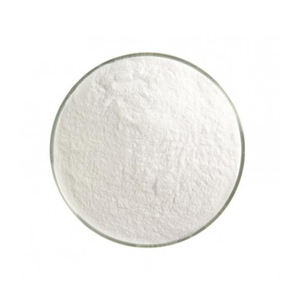
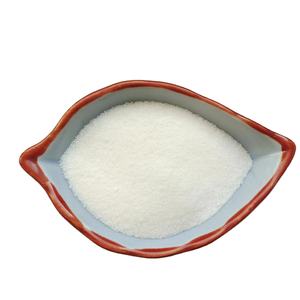
The manufacturing of high-quality polycarboxylic acid water minimizing representative powder requires advanced production procedures that combine polymer chemistry competence with exact engineering controls. Advanced thermal synthesis innovation, utilized by leading suppliers, enables the production of powder polycarboxylate superplasticizers that display outstanding water reduction impacts, exceptional depression retention, and superior flexibility to numerous cement types while keeping ecological compatibility. The production procedure entails the cautious polymerization of monomers consisting of acrylic acid and polyethylene glycol by-products under regulated conditions, adhered to by spray drying out or other powder formation methods that protect the molecular framework and efficiency features of the polymer.
Quality parameters for costs powder water reducers consist of energetic ingredient material of 98 percent plus or minus 1 percent, dampness content not surpassing 2 percent, and water decrease ranges spanning 25 to 45 percent relying on dose and cement type. Alkali web content typically varies from 3 to 5 percent, staying clear of the danger of alkali-aggregate responses that can jeopardize concrete toughness. Temperature flexibility from minus 20 levels Celsius to 50 degrees Celsius allows application across diverse climatic problems, from cold-weather building to hot-climate pouring. These specifications mirror the rigorous top quality criteria required for contemporary construction applications where concrete performance straight impacts structural safety and security and job business economics.
The powder format uses specific advantages in regards to quick dissolution and manufacturing effectiveness, with energetic ingredient focus substantially greater than liquid choices. This focus benefit converts to minimized packaging, transportation, and storage space costs, making powder water reducers particularly attractive for massive framework tasks and export-oriented supply chains. The twelve-month life span of powder items, when properly saved, offers additional adaptability for inventory monitoring and task scheduling.
5. Global Market Dynamics and Regional Trends
(Water Reducer)
The global water reducer market displays distinctive regional characteristics formed by local construction task, regulatory environments, and facilities financial investment patterns. The list below analysis examines each significant area carefully, highlighting growth vehicle drivers and market subtleties.
5.1 Asia-Pacific Area
Asia-Pacific controls as the largest and fastest-growing market, driven by huge framework investing in China, India, and Southeast Eastern countries. The region represent around 54 percent of worldwide concrete admixture intake, with China, India, and Vietnam contributing 72.4 percent of the area’s incremental demand. This dominant setting reflects the extraordinary scale of urbanization and facilities growth throughout the region, where concrete consumption per capita continues to increase as developing economic climates buy transport networks, real estate, and business facilities.
Within the Asia-Pacific region, China represents the world’s largest solitary market for water reducers, with the residential concrete admixture industry getting to 32.992 billion RMB in 2024, representing 7.35 percent year-over-year development. The market is going through architectural optimization, with polycarboxylate-based high-performance water reducers gradually completing the alternative of second-generation naphthalene-based items. This change mirrors both performance advantages and regulative stress, as environmental criteria tighten up and building quality assumptions rise. Regional consumption patterns within China reveal concentration in East China at 38.5 percent, South China, and North China, together making up over 65 percent of residential usage, with framework investment driving demand in areas such as the Xiong’a region where procurement quantities raised 23.5 percent year-over-year.
India and Southeast Asian nations represent the following frontier of development, with facilities growth speeding up across the area. These markets display growth prices surpassing 9 percent in some sectors, driven by government financial investment in transport, real estate, and urban growth. The powder water reducer style has actually proven specifically fit to these markets, where logistics infrastructure might be much less developed and where the ability to shop and transportation admixtures in powder form supplies substantial functional benefits. Vietnam, Indonesia, Thailand, and Malaysia have become dynamic markets, with import data showing Thailand at 2.80 million USD, Indonesia at 2.73 million USD, and Malaysia at 2.61 million USD in recent durations.
5.2 The United States and Canada
The United States and Canada remains a vital market characterized by costs fostering and advanced industrial release. The region’s water reducer market is shaped by aging infrastructure requiring rehab and replacement, along with by innovative specification demands for high-performance concrete in industrial and institutional building. The United States market for carboxylic acid water reducers is projected to get to 170 index points by 2035, driven by Asia-Pacific facilities boom and continual residential demand. Current trends in the North American market consist of smarter product style, broader software program and data connection where applicable, careful localization of supply, and closer cooperation between producers, suppliers, and end users. Customers significantly favor offerings that enhance functionality, running continuity, effectiveness, scalability, and service responsiveness.
5.3 Europe
Europe remains to be formed by requirements, sustainability concerns, and engineering-led development. The European water reducer market areas particular focus on ecological efficiency, with laws driving adoption of low-carbon and green admixture technologies. The region’s mature building and construction industry, characterized by renovation and recovery task together with new building, demands water reducers that can deal with customized applications including self-consolidating concrete, high-strength concrete, and concrete with enhanced sturdiness demands. European specifications often require ASTM-compliant water reducers, reflecting the area’s strenuous quality criteria and testing needs.
5.4 Middle East and Africa
The Middle East and Africa region, while reasonably small in absolute terms with approximately 5 percent international market share, exhibits the most quick development trajectory. The area is projected to achieve a substance yearly growth price of 8.7 percent from 2025 via 2030, driven by large building tasks in Gulf states and infrastructure development across Africa. Saudi Arabia has emerged as a specifically vibrant market, with import data showing 3.32 million USD and growth of 934.1 percent in recent durations. The United Arab Emirates adheres to at 2.04 million USD with development of 428.8 percent, mirroring the ongoing building and construction boom associated with diversity efforts and significant event organizing. Cross-border ecommerce platforms added approximately 7 percent of global water reducer trade in 2025, with particularly considerable growth in Middle East and African markets. The powder format is specifically advantageous in this area, where severe temperatures and challenging logistics conditions favor items with extended service life and streamlined handling demands.
5.5 Latin America
Latin America, representing about 10 percent of the global market, is expected to return to modest development in 2026 adhering to financial fluctuations. The area’s construction industry, while smaller than Asia-Pacific or The United States and Canada, offers substantial potential as facilities investment accelerates and urbanization continues. Brazil, Mexico, and other major economic climates are anticipated to drive demand for both liquid and powder water reducers as construction task recuperates and improves.
6. Competitive Landscape and Industry Structure
The water reducer market includes a competitive landscape that consists of international leaders, regional specialists, and particular niche providers offering set apart end-use needs throughout mature and arising markets. Leading companies are enhancing their positions with collaborations, purchases, and distinguished offerings customized to regional and application-specific requirements. Providers complete through technology deepness, item breadth, service capability, and targeted technology. The affordable intensity is boosting as worldwide brand names and specific niche experts separate through modification, solution deepness, and application-focused experience.
(Water Reducer)
Sector advancements are fixated item refinement, careful growth, and partnership activity as distributors strengthen placing in the concrete water reducers market. Supply chain approach remains crucial, with varied sourcing, closer channel control, and higher focus on connection across manufacturing and circulation. Technical progression is approaching greater performance, improved dependability, smarter controls, and simpler integration right into user operations and running settings. Demand is supported by replacement cycles, increasing high quality expectations, and wider fostering across framework, commercial, and property applications.
Policy and criteria continue to affect layout selections, testing regimens, documentation techniques, and purchase decisions across the worth chain. In China, the market has actually experienced structural optimization with polycarboxylate-based high-performance water reducers finishing substitution of second-generation items, driven by both performance needs and ecological policies. Price dynamics have also shifted positively, with ethylene rates declining 24.83 percent in January 2026 contrasted to the previous year, enhancing earnings margins for polycarboxylate water reducer manufacturers as ethylene oxide, the core basic material, comes to be more budget-friendly.
The powder water reducer sector offers particular possibilities for suppliers with the ability of accomplishing range while preserving quality consistency. The fairly higher obstacles to entry in powder manufacturing, consisting of specialized drying equipment and quality control systems, have actually developed a more focused affordable landscape than the liquid admixture market. Makers with well established powder production capabilities, such as those utilizing sophisticated thermal synthesis modern technology, are well-positioned to capture growth in export markets and in regions where powder format benefits are most noticable.
7. Sustainability and the Future of Water Reducer Modern Technology
Sustainability has emerged as the specifying theme for the future generation of water reducer technology. The concrete sector’s significant carbon footprint, making up approximately 8 percent of worldwide emissions, has made it a focus of decarbonization efforts across the building market. Water reducers contribute to exhausts decrease in 2 key means: by allowing reduced concrete content in concrete mixtures while preserving performance, and by helping with making use of supplemental cementitious materials such as fly ash, slag, and silica fume that would certainly otherwise compromise workability. Every kg of concrete avoided via maximized concrete mix design stands for about 0.9 kilograms of co2 exhausts stopped, making water reducer modern technology an essential enabler of lasting construction.
(Water Reducer)
The transition from asset chemical application towards performance-engineered admixture systems shows wider industry patterns toward outcome-guaranteed efficiency and lifecycle value. Customers increasingly seek water reducers that not just lower water need but additionally boost concrete toughness, minimize leaks in the structure, and expand service life, consequently minimizing the environmental effect of maintenance and replacement over the structure’s life time. This change from price-based procurement to value-based option incentives producers capable of demonstrating premium performance and sustainability end results.
Digital optimization is improving the concrete admixture landscape, with manufacturers utilizing advanced water reducers and polycarboxylate ether-based superplasticizers to accomplish high-strength, self-consolidating, and low-permeability concrete while minimizing water demand. Smarter product layout, broader software application and data connection, and closer cooperation between producers and end individuals are making it possible for a lot more exact dosing and better efficiency results. These digital abilities, combined with innovative water reducer chemistry, are changing concrete from a commodity product right into an engineered item with predictable and maximized properties.
Study continues to press the limits of water reducer performance. The development of novel ester-functionalized polycarboxylate superplasticizers is enabling much better control over concrete paste rheology and versatility to exterior elements. Allyl glycidyl ether-based polycarboxylate superplasticizers have actually shown the ability to lower return tension and boost cement-paste spread at optimal dosage degrees, boosting fresh-state concrete performance. These technologies, incorporated with ongoing efforts to minimize reliance on petroleum-based resources, assure to provide water reducers that are both higher-performing and much more sustainable than present offerings.
8. The Future Vision for Water Reducer Innovation
(Water Reducer)
Looking in advance, the water reducer sector encounters both possibilities and challenges. Urbanization remains to drive building and construction task across creating economic climates, while industrialized markets buy facilities renewal and sustainable structure. The powder water reducer sector, with its logistic benefits and growing approval in vital markets, is well-positioned to catch a considerable share of this growth. However, the industry should browse resources rate volatility, fragmented need patterns, and qualification or compliance hurdles that can moderate energy.
Decarbonization will stay a main driver of advancement, with plan targets and market assumptions pressing the sector toward lower-carbon options. Eco-friendly water reducers, low-carbon formulations, and products that allow reduced cement material will certainly command premium placing in progressively sustainability-conscious markets. Producers capable of demonstrating ecological performance together with technical excellence will be finest placed for lasting success.
The geographical growth of the water reducer market will continue, with Center East and Africa standing for one of the most dynamic development frontier. Cross-border ecommerce and boosted logistics networks are making it much easier for makers to get to clients in emerging markets, while neighborhood production capabilities are developing in response to growing demand. The powder style, with its premium transportation economics and storage features, will play an increasingly essential duty in serving these distant markets.
Ultimately, the water reducer story is just one of constant enhancement and adaptation to changing market requirements. From the very early lignosulfonate formulations to today’s sophisticated polycarboxylate ether superplasticizers, the innovation has actually advanced to meet the demands of a sector that constructs the globe’s cities, bridges, and facilities. As sustainability imperatives reshape the building industry, water reducer modern technology will certainly remain to develop, making it possible for more powerful, much more resilient, and much more sustainable concrete for future generations. The powder polycarboxylic acid water minimizing representative, representing the pinnacle of present innovation, stands prepared to lead this improvement, providing superior efficiency with minimized ecological influence throughout the world’s building and construction websites.
The sector’s trajectory suggests proceeded loan consolidation amongst leading suppliers, boosted financial investment in r & d, and growing emphasis on client partnership and application assistance. Business that combine technical excellence with market responsiveness and sustainability management will certainly define the following chapter of water reducer innovation. For clients varying from worldwide construction firms to regional ready-mix drivers, the option of water reducer modern technology will significantly reflect not simply instant efficiency needs but long-term sustainability objectives and lifecycle price considerations.
In this developing landscape, the powder polycarboxylic acid water reducing representative stands as a testimony to what chemical innovation can achieve. Its molecular design, improved through years of polymer scientific research, enables concrete that is more powerful, extra resilient, and much more sustainable than anything feasible with earlier modern technologies. As the world constructs for the future, water reducer technology will certainly stay a crucial enabler of the frameworks that shelter, attach, and sustain human activity.
9. An Individual Representation from the Creator
(Water Reducer)
When I developed this business, I saw a fundamental gap in between what concrete can attain and what it was providing on building sites around the globe. The vision was easy: develop a water reducer that would certainly transform concrete from a variable, uncertain product right into a crafted option with consistent, dependable performance. Today, seeing our powder polycarboxylic acid water lowering agent allow more powerful, a lot more sturdy, and even more sustainable concrete throughout 5 continents, I boast of what our team has achieved and thrilled for what exists in advance.
The journey from lab concept to international market standard has actually been testing, yet every challenge gotten rid of has actually enhanced our commitment to quality, development, and consumer partnership. Our powder polycarboxylate superplasticizer represents not simply an item yet an ideology: that premium chemistry, combined with deep understanding of customer demands, can build a better world. As we seek to the future, we continue to be devoted to advancing water reducer technology, lowering ecological impact, and assisting our clients accomplish phenomenal outcomes with every pour. The story of the water reducer is much from complete, and we are honored to continue composing it alongside the designers, specialists, and builders that trust our products to provide performance where it matters most.
10. Provider
Cabr-Concrete is a supplier of Concrete Admixture with over 12 years of experience in nano-building energy conservation and nanotechnology development. It accepts payment via Credit Card, T/T, West Union and Paypal. TRUNNANO will ship the goods to customers overseas through FedEx, DHL, by air, or by sea. If you are looking for high quality Concrete Admixture, please feel free to contact us and send an inquiry.
Tags: superplasticizer, water reducer, water reducing agent, concrete additives
All articles and pictures are from the Internet. If there are any copyright issues, please contact us in time to delete.
Inquiry us